How NFTs will impact fintech start-ups

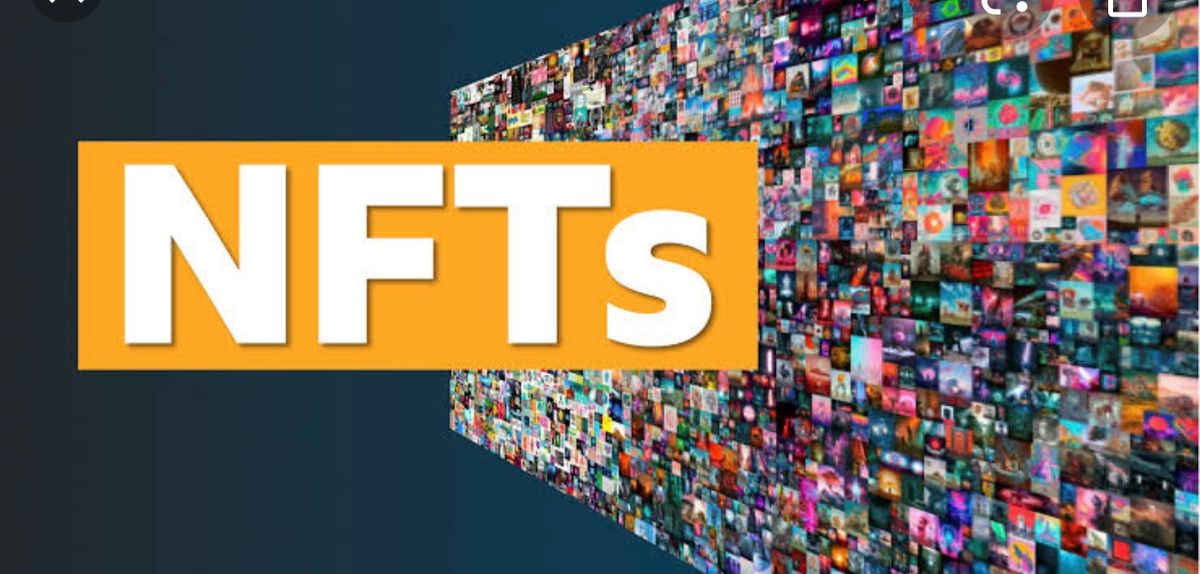
Trading on the digital art market with bidding, token ownership, and all transfer records stored on a blockchain, Non-fungible token (NFT) is the latest crypto trend that has taken the market by storm.
From minting and converting tweets to NFTs, to auctioning luxury watches and songs on various NFT marketplaces, financial tech companies and others have questioned the purpose of these protocols and are interested in finding out how this nascent trend will impact their industry.
Already driving the decentralized finance (DeFi) market as an ideal liquidity generating tool, this partnership between these nascent trends may well fully disrupt not just the traditional financial systems but fintech as well.
Currently, new decentralized finance protocols are using NFTs to pool funds or assets. Additionally, a few of these protocols have begun offering NFT-based trading services to users.
As these protocols and marketplaces begin to create and release varieties of assets, this could in the coming years completely revolutionize the way users invest.
With a variety of asset classes available, it will only be a matter of time before fintech start-ups begin to integrate them into their platforms, leveraging not only on the NFT frenzy but on blockchain technology as well.
Although there are concerns about the environmental impacts of NFT token minting, we've witnessed the development of a few “sustainable” and “eco-friendly” platforms seeking to change the status quo.