Pro-bitcoin Senator Lummis joins Banking Committee

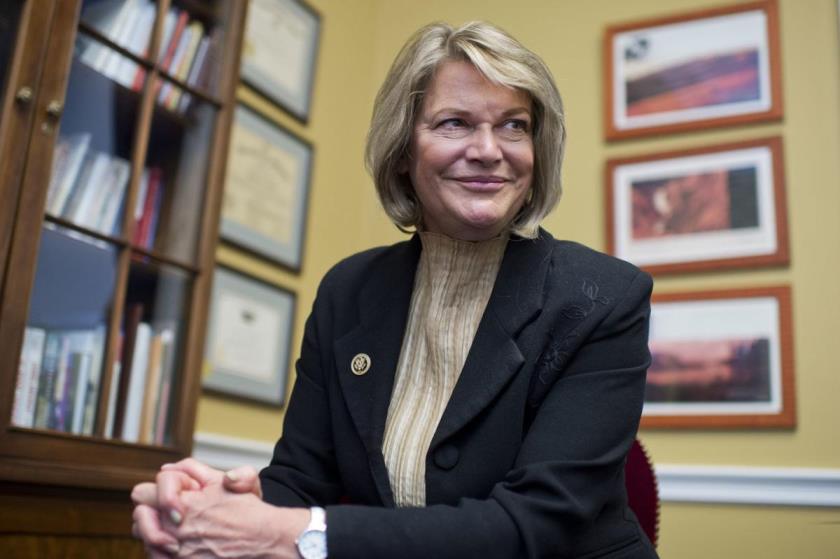
In what may be dubbed another win for the cryptocurrency community, pro-crypto senator, Cynthia Lummis, has been appointed to join the committee tasked with the U.S. financial legislation.
Whilst announcing her appointment, Lummis expressed her intention to introduce digital asset legislation. She said in a press announcement:
Wyoming has been leading the way on financial innovation over the last several years. Through my role on the Banking Committee, I hope to shine a light on many of these pioneering efforts and work with federal regulators to ensure that regulation of digital assets are structured to encourage innovation, instead of stifling it.
The freshman senator has been quite vocal about her support for Bitcoin and digital assets. She endorsed Bitcoin as “a great store of value” just a few days ago while unveiling her plans to launch a Financial Innovation Caucus on Anthony Pompliano’s podcast.
SENATOR LUMMIS is now on the Senate Banking Committee.
— Caitlin Long 🔑 (@CaitlinLong_) February 4, 2021
You guys, a #bitcoiner is on Senate Banking!!
THIS IS HUGE!
Fingers had been crossed for this. It means a whole lotta good stuff.#Bitcoin
🤠😉🤠😉🤠🚀🚀🚀
Although Lummis is not the first official to endorse Bitcoin, she appears to be the most vocal and is arguably the first senator to be publicly engaged in the sector. Late last year, she advised regulators to allow digital assets to “run free” stating that Bitcoin could help the U.S. tackle its national debt and improve the dollar’s buying power.